A Smart, Stress-Free Guide for Healthy Adventures
Traveling abroad is one of life’s greatest joys — new cultures, unforgettable meals, breathtaking landscapes, and memories that stay with you forever. But let’s be honest: nothing derails a dream trip faster than getting sick, injured, or overwhelmed in a foreign country.
That’s why learning how to protect your health while traveling abroad is just as important as booking flights or picking the perfect hotel.
Whether you’re hopping continents for the first time or you’re a seasoned traveler collecting passport stamps, staying healthy on the road isn’t about fear — it’s about preparation, awareness, and smart habits. From vaccines and hydration to sun safety and emergency planning, this guide walks you through everything you need to know to travel confidently and responsibly.
Let’s break it down step by step, so you can focus on what really matters: enjoying the journey.
Get Vaccinated Before You Travel
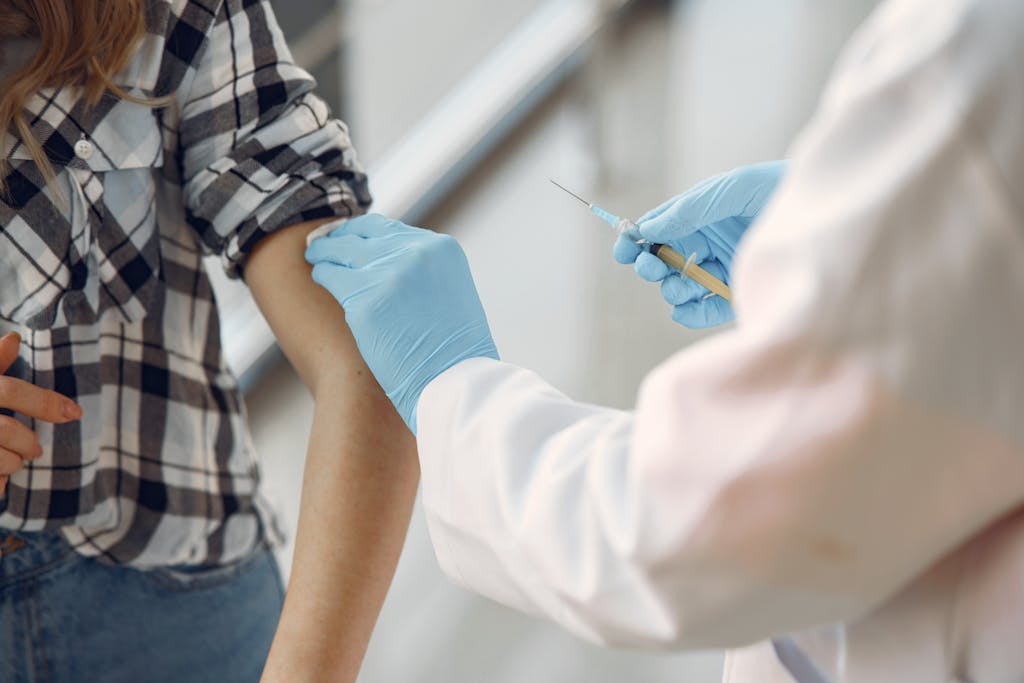
One of the most important — and often overlooked — ways to protect your health while traveling abroad is making sure you’re properly vaccinated before you leave home.
Different destinations come with different health risks. Diseases that may be rare or eliminated in your home country can still be present elsewhere, and exposure can happen quickly through food, water, insects, or close contact with others. Travel vaccines act as a protective layer, helping your immune system recognize and fight potential infections before they become serious.
Why Travel Vaccines Matter
Vaccinations don’t just protect you during your trip — they also help prevent long-term complications, emergency medical visits abroad, and the risk of bringing illnesses back home. When you’re traveling internationally, especially to developing regions or rural areas, prevention truly is your best defense.
When to Get Vaccinated
Aim to see a healthcare provider or travel clinic 6–8 weeks before your departure. Some vaccines require multiple doses or time to become fully effective, and last-minute planning can limit your options.
Common Travel Vaccines to Review
Depending on your destination, travelers may be advised to update or consider:
- Routine vaccines (flu, COVID-19, tetanus, MMR)
- Hepatitis A and B
- Typhoid
- Yellow fever (required for entry in certain countries)
- Rabies (for remote travel or animal exposure risk)
A Personal Note From Me
As a nurse practitioner, I genuinely encourage travelers to take this step seriously. I’ve seen firsthand how preventable illnesses can disrupt trips — and how simple preparation can make all the difference. Vaccination isn’t about fear; it’s about empowering yourself to travel confidently, safely, and with peace of mind.
Travel Tip
Carry both a digital and physical copy of your vaccination records. Some countries require proof of certain vaccines at entry, and having documentation can be extremely helpful if you need medical care while abroad.
A little preparation before your trip goes a long way toward protecting your health — and ensuring your travel memories are about adventure, not recovery.
Pack a Thoughtful Travel Health Kit
A well-prepared health kit is one of the easiest ways to protect your health while traveling abroad — yet many travelers skip it until it’s too late.
Pharmacies overseas may not carry the same medications, brands, or dosages you’re used to, and language barriers can make explaining symptoms tricky.
What to Include in Your Travel Health Kit
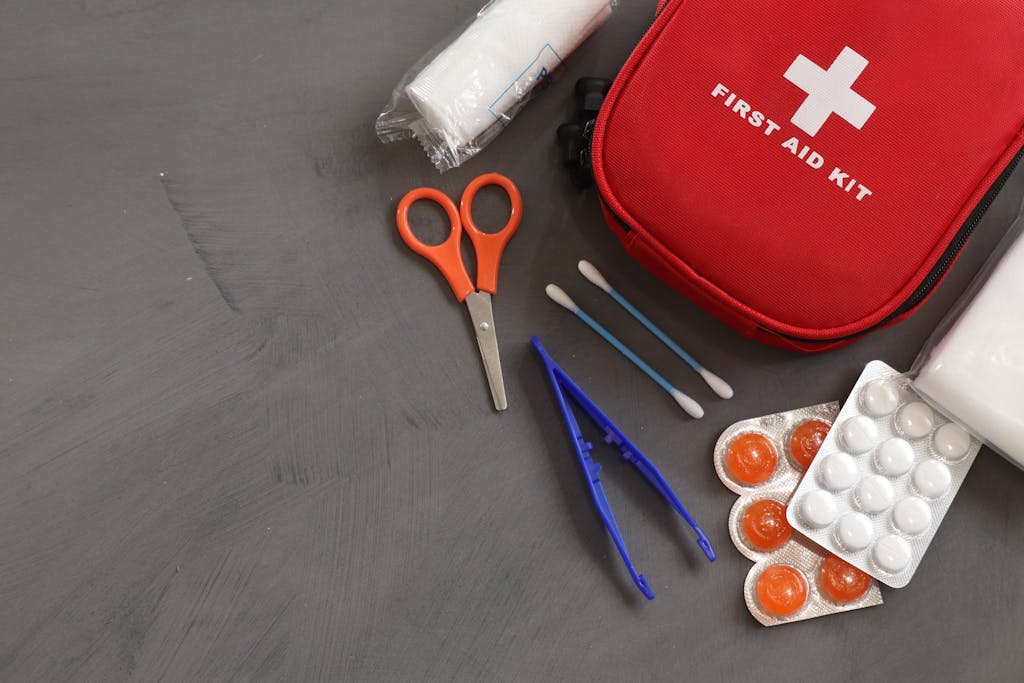
Your kit doesn’t need to be bulky — just intentional. Consider packing:
- Prescription medications (with original labels)
- Pain relievers (acetaminophen or ibuprofen)
- Anti-diarrheal medication
- Motion sickness tablets or patches
- Antihistamines for allergies
- Cold and flu medicine
- Antacids or digestive aids
- Electrolyte packets
- Basic first-aid supplies (bandages, antiseptic wipes)
Prescription Medication Tips
- Bring more than you need in case of delays
- Keep medications in your carry-on
- Carry a copy of your prescription or doctor’s note, especially for controlled medications
Bonus Add-Ons
Depending on your destination, you may also want:
- Blister treatment
- Eye drops
- Rehydration salts
- Compression socks for long flights
Not sure what deserves a spot in your travel health kit? I created a Nurse Practitioner–Approved Travel First Aid Kit Guide that breaks down must-have items, optional add-ons, and smart packing tips to keep you prepared on the road.
Stay Hydrated and Eat Wisely
Food and water are central to travel experiences — but they’re also common sources of illness. Learning how to hydrate properly and eat mindfully is key to protecting your health while traveling abroad.

Hydration Matters More Than You Think
Dehydration can sneak up quickly, especially when you’re walking more than usual, flying long distances, or traveling in hot climates.
Smart hydration habits:
- Carry a reusable water bottle
- Drink water consistently, not just when thirsty
- Use electrolyte packets on long travel days
- Limit excessive alcohol, especially on flights
In destinations where tap water isn’t safe:
- Stick to sealed bottled water
- Avoid ice unless confirmed safe
- Use bottled water for brushing teeth if advised
Eating Wisely Without Missing Out
Trying local food is one of the best parts of travel — and yes, you can do it safely.
Tips for safer eating abroad:
- Eat where locals eat (busy restaurants = fresh food)
- Choose freshly cooked meals
- Avoid raw or undercooked meats and seafood
- Peel fruits yourself
- Be cautious with street food until your stomach adjusts
Travel doesn’t require a bland diet — just smart choices that balance adventure with awareness.
Protect Yourself from Insects
Insects may seem like a minor nuisance, but in some regions, they pose real health risks. Mosquitoes, ticks, and other bugs can transmit illnesses that are preventable with simple precautions.

Why Insect Protection Matters
Many insect-borne illnesses don’t show symptoms immediately, which makes prevention critical when you travel.
Simple Ways to Reduce Risk
- Use insect repellent with DEET, picaridin, or oil of lemon eucalyptus
- Wear long sleeves and pants during dawn and dusk
- Choose accommodations with screens or air conditioning
- Use mosquito nets in high-risk areas
- Avoid standing water when possible
Clothing Tips
Light-colored clothing makes it easier to spot insects and often attracts fewer mosquitoes. Loose-fitting fabrics are also more comfortable in warm climates.
Protecting yourself from insects isn’t about paranoia — it’s about staying proactive so your trip stays memorable for the right reasons.
Practice Safe Sun Exposure
Sunshine feels incredible while traveling — but too much of it can lead to painful burns, dehydration, and long-term skin damage.

Why Sun Safety Is Non-Negotiable
Sunburn doesn’t just hurt — it can derail your trip, increase your risk of illness, and leave you exhausted or dehydrated.
Smart Sun Protection Habits
- Apply broad-spectrum sunscreen (SPF 30+)
- Reapply every 2 hours (or after swimming)
- Wear hats and UV-protective sunglasses
- Seek shade during peak sun hours
- Use after-sun lotion or aloe for skin recovery
Don’t Forget These Spots
Ears, lips, scalp, tops of feet, and the back of your neck are often missed — and painfully remembered later.
Protecting your skin is a simple but powerful way to protect your health while traveling abroad.
Be Careful with New Activities
Travel often invites adventure — hiking, snorkeling, motorbikes, ziplining, or exploring rugged terrain. While these experiences are incredible, they also come with risks if you’re not prepared.
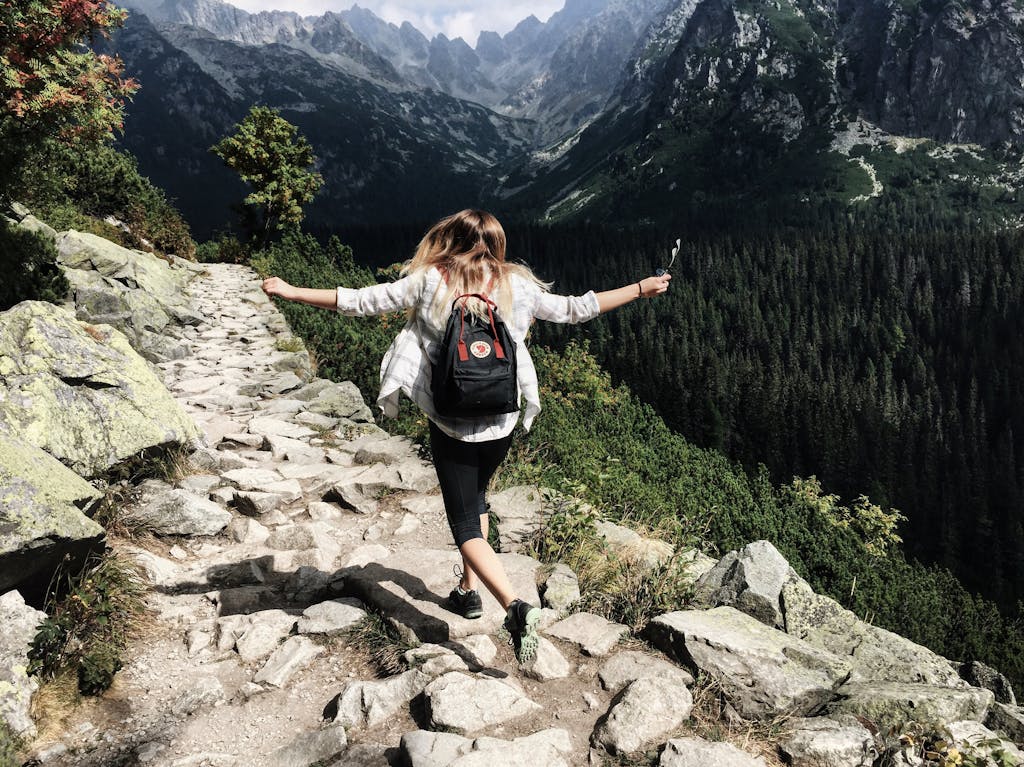
How to Stay Safe While Still Having Fun
- Know your limits (fatigue increases injury risk)
- Choose reputable tour operators
- Wear proper safety gear
- Follow instructions carefully
- Avoid risky activities when tired or dehydrated
Special Considerations
- Altitude changes can cause headaches, nausea, or dizziness
- Water activities require strong swimming skills
- Motorbike rentals often lead to avoidable injuries
Adventure should feel exhilarating — not dangerous. A little caution goes a long way.
Know How to Handle Emergencies
No one wants to think about emergencies on vacation, but knowing how to respond is one of the most empowering ways to protect your health while traveling abroad.
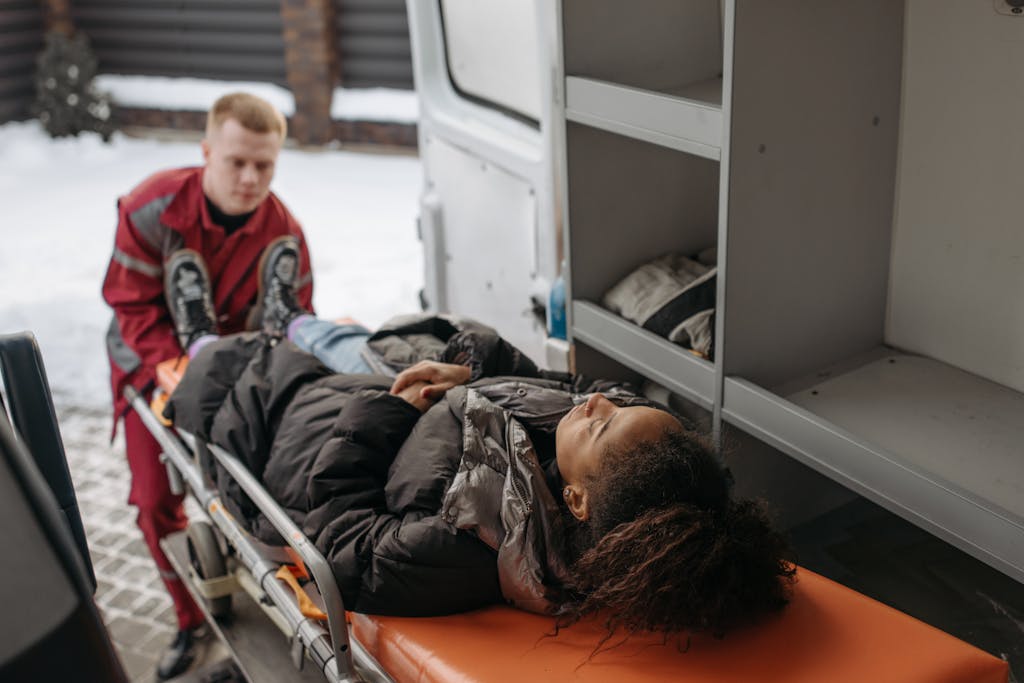
Prepare Before You Go
- Purchase comprehensive travel medical insurance
- Research hospitals and clinics at your destination
- Know local emergency numbers
- Save embassy contact information
- Share your itinerary with someone you trust
If You Get Sick or Injured
- Don’t delay care if symptoms worsen
- Use hotel staff or local contacts to find reputable facilities
- Keep copies of receipts and medical records
- Contact your insurance provider promptly
Peace of Mind Matters
Being prepared doesn’t mean expecting something to go wrong — it means knowing you’ll be okay if it does.
Final Thoughts: Protect Your Health While Traveling Abroad
Travel should expand your world — not stress your body or compromise your well-being. By taking proactive steps to protect your health while traveling abroad, you’re setting yourself up for a smoother, safer, and more enjoyable experience.
From vaccinations and hydration to sun protection and emergency planning, these habits don’t take away from the adventure — they enhance it. When you feel good physically, you’re more present, more confident, and more open to everything travel has to offer.
So pack smart, listen to your body, stay curious, and explore boldly — knowing you’ve done the work to protect your health while traveling abroad.
Safe travels, Lou. ✈️💛