A Calm, Practical Guide for Delayed & Canceled Flights—Especially During the Holidays
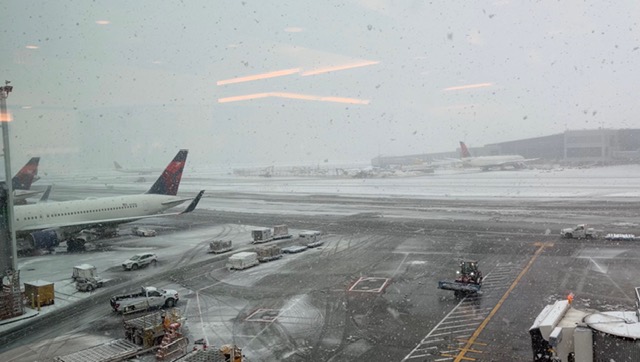
Airport delay survival guide moments often begin the same way: getting stuck at the airport due to a delayed or canceled flight can feel overwhelming fast. Plans unravel, emotions run high, and suddenly you’re staring at a departure board that keeps changing colors. I know this feeling all too well—recently, I was delayed eight hours at JFK during a snowfall day, and it reminded me just how stressful airport limbo can be.
That experience inspired this guide. While delays aren’t always avoidable, how you handle them can make all the difference. Whether you’re traveling during the holidays, navigating winter storms, or dealing with a surprise cancellation, this airport delay survival guide is here to help you stay calm, prepared, and a little more in control when things don’t go as planned.
1. First Things First: What to Do the Moment You See a Delay
When your flight is delayed or canceled, your first instinct might be panic—but pause. A few quick steps can save you hours of stress later.
1. Check the airline app immediately
Airline apps update faster than gate agents. Rebooking options, seat availability, and alternate routes often appear there first. Having a few smart strategies in place before things go wrong can save you time, money, and a lot of stress at the airport.
👉 The Ultimate Airport Travel Hacks to Save Time, Money & Stress
2. Screenshot everything
Take screenshots of your flight status, delay notices, and boarding passes. This helps if Wi-Fi drops or you need documentation later.
3. Get in two lines at once
If rebooking is needed, try this combo:
- Use the airline app or website
- Call the airline
- Stand in line at the customer service desk
Whichever resolves first wins.
4. Stay kind—but assertive
Gate agents are dealing with dozens of frustrated travelers. Calm, respectful communication often leads to better outcomes.
2. Carry-On Essentials That Can Save Your Sanity
Your carry-on is your survival kit. If you plan for delays before they happen, you’ll thank yourself later.
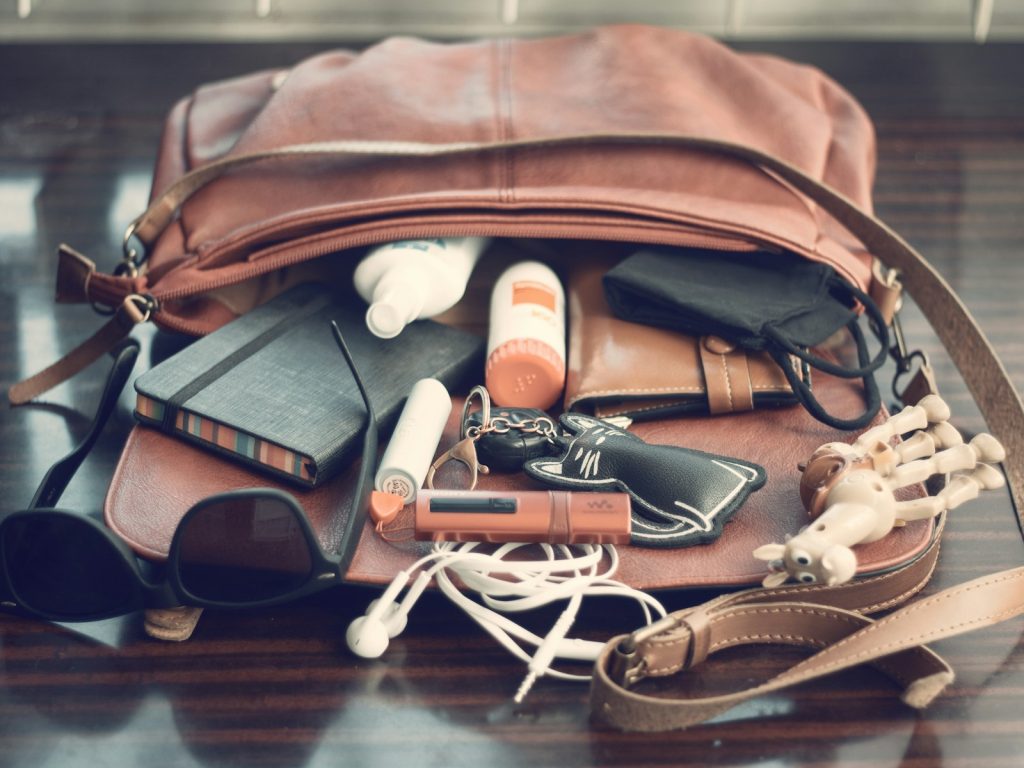
Must-Haves for Long Airport Delays
- Portable charger + charging cable (non-negotiable)
- Headphones or noise-canceling earbuds
- Refillable water bottle (empty through security)
- Snacks (protein bars, nuts, dried fruit)
- Travel-size toiletries (face wipes, deodorant, toothbrush)
- Extra set of clothes (especially underwear — you’ll thank yourself)
- Prescription meds (always in carry-on)
- Warm layer or scarf (airports get freezing)
- Eye mask & lip balm (trust me)
- Downloaded content (shows, podcasts, books—no Wi-Fi needed)
Bonus Comfort Items
- Compression socks
- Travel pillow
- Small notebook or journal
- Calm music or meditation app downloaded offline
Traveling with babies or infants?
If you’re flying with a baby, always pack extra formula, breast milk, or baby food in your backpack to last at least one full day. Flight delays and cancellations can quickly create stressful situations if supplies run low, and access to formula or specific brands isn’t always guaranteed inside the airport.
TSA allows reasonable quantities of baby formula, breast milk, and food in carry-ons, even beyond the usual liquid limits—just be prepared for additional screening. Having extra on hand can make all the difference during long delays.
I also recommend packing basic health essentials so you’re prepared for unexpected delays or overnight disruptions.
👉 Travel First Aid Kit Essentials: A Nurse Practitioner’s Guide
This airport delay survival guide is meant to help you feel more in control during unexpected travel disruptions. These little things turn a miserable wait into something manageable—even cozy.
3. How to Mentally Handle Long Delays (Because That’s Half the Battle)
Delays are draining not just physically, but emotionally. Here’s how to protect your peace.

Reframe the situation
You’re safe. You’re indoors. This is inconvenient—not dangerous. Feeling safe and informed while traveling plays a big role in staying calm during unexpected disruptions.
👉 Travel Safety Tips for Women: Debunking Common Myths
Create a “mini routine”
Eat something, hydrate, stretch, walk the terminal, then rest. Structure reduces stress.
Lower your expectations for the day
Once you accept that plans have changed, your nervous system can relax.
Use the time intentionally
Catch up on emails, journal, plan your trip, read, or simply rest. Not every moment needs to be productive.
Sometimes the win is just staying calm in the storm.
4. Winter & Holiday Travel: What You Need to Know
Holiday travel comes with increased risks for delays, especially due to weather.

Common Causes During Winter Travel
- Snow and ice at major hub airports
- Aircraft needing repositioning
- Crew timing out due to FAA regulations
- Domino-effect delays across the system
Smart Holiday Travel Tips
- Book earlier flights in the day
- Avoid tight connections
- Fly before major storms if possible
- Pad travel days with flexibility
- Travel with patience—everyone is stretched thin
If you’re flying during peak season, preparation matters more than perfection.
5. Airlines That Tend to Perform Better During Delays & Cancellations
No airline is immune to weather or operational disruptions, but over time, some carriers tend to handle delays and cancellations more efficiently than others. Performance often comes down to route structure, fleet size, and how well an airline prepares for seasonal weather challenges.
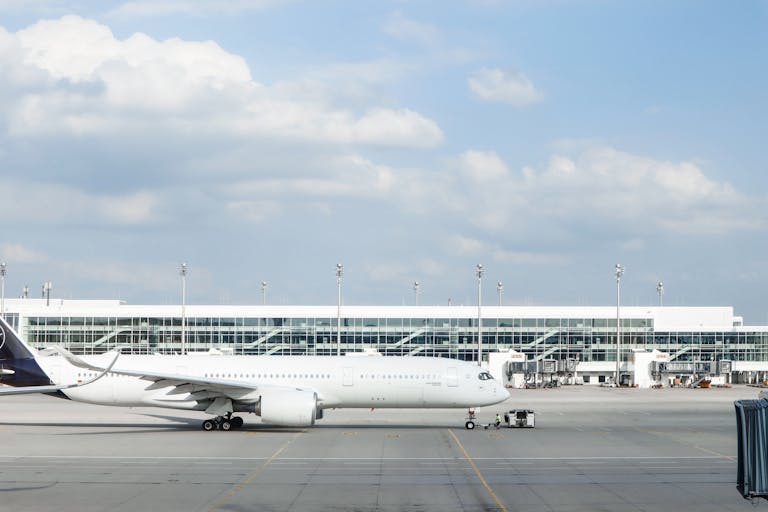
✈️ Airlines With Point-to-Point Route Networks
Airlines that rely less on large hub airports and instead use point-to-point routes often recover faster from disruptions. Fewer connections mean fewer domino-effect delays when weather or staffing issues arise.
- Southwest Airlines is a well-known example of a point-to-point model, which can allow more flexibility during irregular operations.
- These airlines may have fewer international routes, but they often bounce back faster during domestic travel disruptions.
Why this matters: If one hub shuts down due to weather, it can impact hundreds of connecting flights across the country.
⚙️ Airlines Known for Operational Efficiency
Some airlines consistently rank higher for on-time performance and overall reliability, thanks to strong logistics, scheduling, and recovery planning.
- Delta Air Lines is frequently cited for strong operational recovery during major disruptions.
- Airlines with larger fleets and more frequent routes often have more rebooking options when things go wrong.
Why this matters: When delays happen, efficient airlines are often better equipped to reroute passengers or provide earlier alternatives.
❄️ Airlines With Strong Winter Operations
Winter weather is one of the biggest causes of delays in the U.S., especially at northern hub airports. Airlines with robust de-icing infrastructure and cold-weather training tend to manage snow and ice more effectively.
- United Airlines and American Airlines operate major hubs in colder climates and are experienced in winter operations.
- Airlines that regularly fly in snowy regions often have faster turnaround times during storms.
Why this matters: Experience matters when it comes to snow, ice, and winter recovery planning.
🧠 What This Means for Travelers
When booking flights—especially during winter or holiday travel—consider:
- Airlines with multiple daily flights on your route
- Avoiding itineraries that rely on a single major hub
- Choosing carriers known for strong operational performance
Sometimes paying slightly more for reliability can save hours (or even days) of travel disruption later.
✨ Important Reminder
Even the best-performing airlines can experience delays during severe weather or peak travel periods. This guide isn’t about guarantees—it’s about stacking the odds in your favor.
6. Know Your Rights When Flights Are Delayed or Canceled (Even in the U.S.)
When a flight is delayed or canceled, it’s easy to feel powerless—especially in the United States, where passenger protections aren’t as widely talked about. While U.S. airline rules are more limited than in some other countries, you do have rights, and knowing them can help you advocate for yourself with confidence and calm.
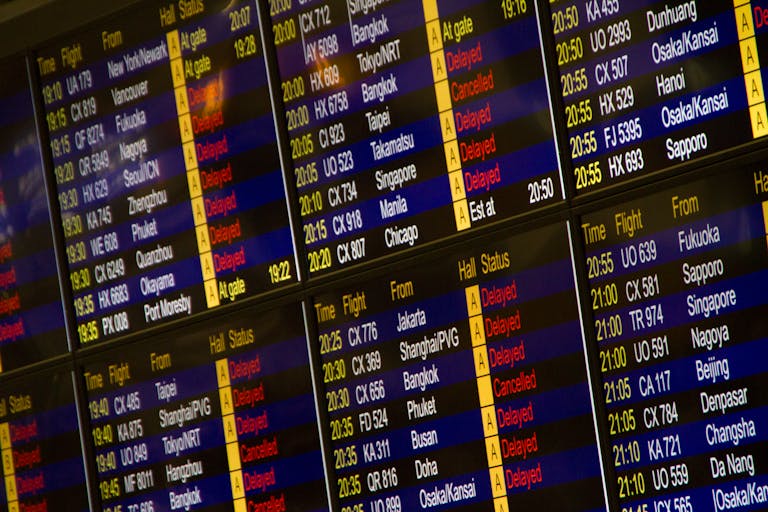
If Your Flight Is Canceled
If your flight is canceled, U.S. airlines are required to offer:
- A full refund if you choose not to travel
(This applies even to non-refundable tickets.) - A refund for any unused portions of your trip and optional fees you paid for (such as seat selection or checked bags).
This applies regardless of the reason for the cancellation, including weather, mechanical issues, or staffing shortages.
Rebooking Options After a Cancellation or Long Delay
Most airlines will:
- Rebook you on the next available flight at no extra cost
- Offer alternate routing on the same airline
Airlines are not required to book you on a different airline, but some will if you ask politely—especially during long delays or cancellations.
Helpful question to ask:
“Are there any alternate routes or partner airlines available?”
What Counts as a “Long Delay”?
In the U.S., there is no official legal definition of a long delay, but generally:
- 3+ hours is considered significant
- 6+ hours or more may increase your chances of receiving assistance, depending on the airline
What airlines may offer (but are not legally required to):
- Meal vouchers
- Travel credits
- Hotel accommodations (more common for airline-controlled issues)
Always ask—policies vary by airline and situation.
7. Hotels, Meals & Compensation: What to Expect
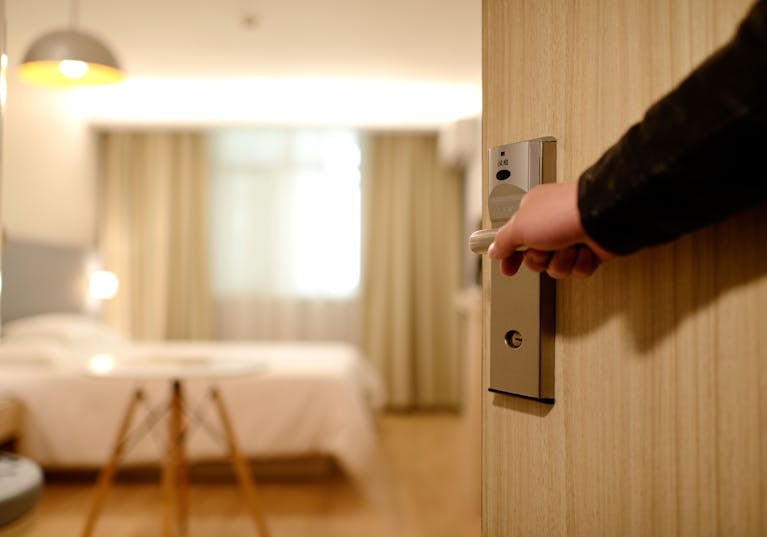
Weather-Related Delays (Snowstorms, Storms, Ice)
- Airlines are not required to provide hotels or meals
- Some airlines may offer goodwill vouchers, but it’s not guaranteed
During long weather delays, travelers are often left waiting inside the airport for hours. In these situations, airport lounges can be a helpful option if you have access, offering comfortable seating, food and drinks, Wi-Fi, and a quieter place to rest while waiting out the storm.
👉 Priority Pass: The Ultimate Airport Lounge Access Guide
Airline-Controlled Delays (Mechanical or Crew Issues)
Airlines are more likely to provide:
- Hotel accommodations
- Meal vouchers
- Travel credits
If an overnight stay becomes necessary, it never hurts to ask:
“Is there any assistance available for accommodations due to the delay?”
For extended waits at the airport, lounge access can also make a significant difference in comfort during long delays.
Tarmac Delay Rules (Important to Know)
U.S. airlines are not allowed to keep passengers on the plane indefinitely:
- Domestic flights: You must be allowed to deplane after 3 hours
- International flights: After 4 hours
During tarmac delays, airlines must also provide:
- Food and water
- Working restrooms
- Medical assistance if needed
Exceptions apply for safety or air traffic control reasons.
Flying Internationally?
If you’re flying from or within Europe, you may be protected under EU Regulation EC 261, which can include:
- Cash compensation
- Meal vouchers
- Hotel accommodations
- Transportation assistance
Eligibility depends on the length of the delay, flight distance, and cause.
📌 Helpful Tip
Always take screenshots of delay notifications and keep receipts for meals or hotels. If compensation or reimbursement becomes available later, documentation helps.
For the most up-to-date information on airline passenger rights in the U.S., refer to the U.S. Department of Transportation’s airline passenger protections page.
Final Thoughts: Staying Calm When Travel Gets Hard
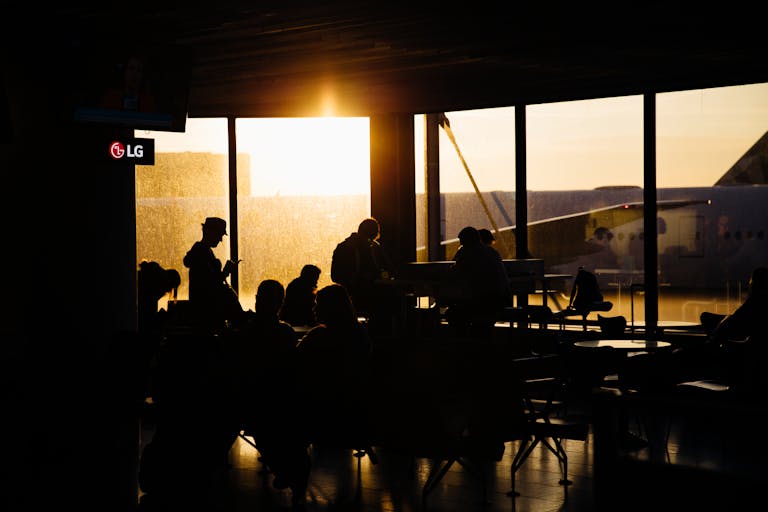
Being delayed for hours—especially during holidays or storms—can feel exhausting and emotional. I wrote this post because I’ve been there. Sitting in JFK during a snowstorm, watching departure times slip later and later, I felt the frustration too.
But I also realized this: preparation doesn’t eliminate delays—but it does eliminate panic.
I hope this airport delay survival guide helps make your next unexpected delay feel a little less stressful and a lot more manageable.
Save this post for later. Share it with a friend. And the next time travel throws a curveball, you’ll know exactly how to handle it.